知乎
PLA Southern Theater Command tracks, monitors and warns 3 Philippine aircraft after their illegal entry into Huangyan Dao airspace_我的网站

A |
近期,美军多型军用飞机因事故停飞,致使其军用飞机出现严重缺口。 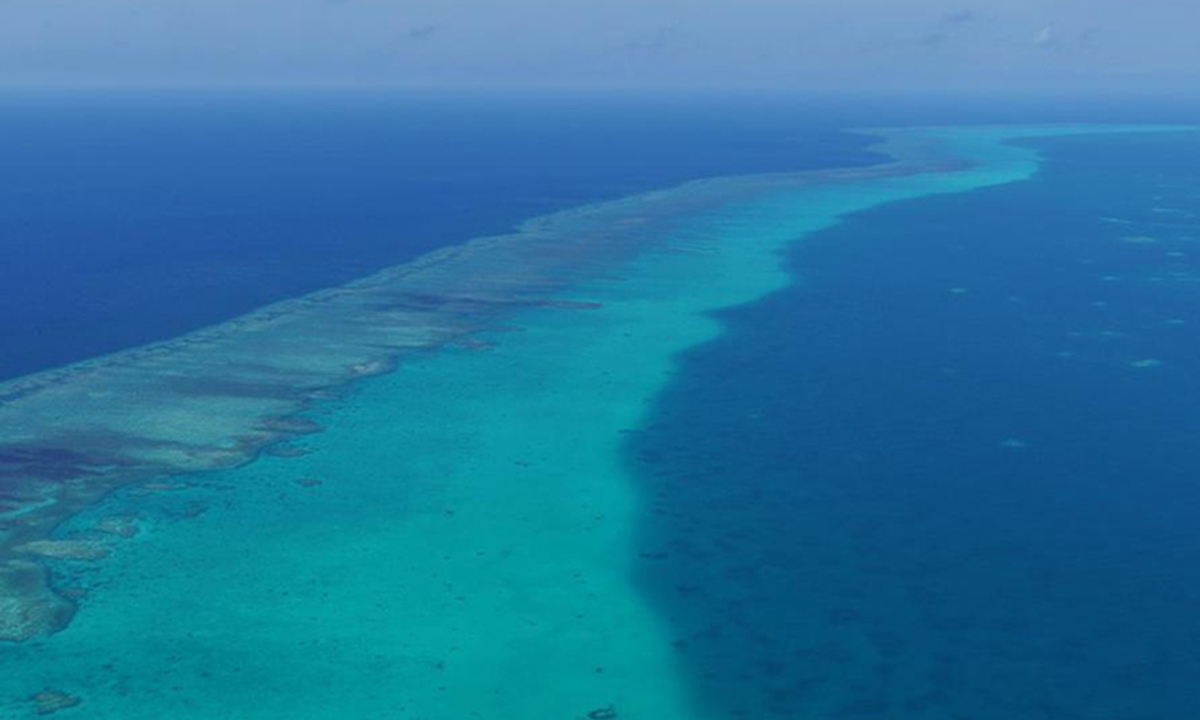
On Friday, three small Philippine aircraft - an Islander, a C-208, and a PA-31T - illegally intruded into China's territorial airspace over Huangyan Dao without approval from the Chinese government. The naval and air forces dispatched by the PLA Southern Theater Command (STC) tracked and monitored the Philippine aircraft, and issued verbal warnings to them in accordance with laws and regulations, senior Colonel Li Jianjian, spokesperson for the PLA STC Air Force, said in a statement on Friday.
The acts of the Philippine side seriously violate China's sovereignty, and are highly likely to cause misunderstanding and miscalculation. "We sternly warn the Philippine side to stop rights-violation and provocative acts immediately. Forces of the STC remain on high alert at all times to firmly safeguard national sovereignty and security as well as regional peace and stability," said the spokesperson.
Ding Duo, director of the Research Center for International and Regional Issues at the National Institute for South China Sea Studies, called the Philippines' latest move another "stunt."
The Philippines previously submitted its so-called "territorial sea baselines" around Huangyan Dao, so it is not unexpected that Manila would follow up with actions at sea or in the air to stir up tensions, keep the issue in the spotlight and stage further provocations, said Ding.
At present, the Philippines can barely gain access to the relevant waters and has secured no tangible advantage there. Aircraft, however, can enter and leave the area quickly. Such operations not only provide material for media hype but also generate footage of China's response, allowing Manila to project resolve and reassure its military and law-enforcement forces at home, Ding told the Global Times.
In late July, the Philippines notified the United Nations of the so-called "baselines and maritime zones" surrounding Huangyan Dao. On July 31, the Chinese Foreign Ministry issued a statement on the Philippines' delimitation of the so-called "baselines of the territorial sea" around Huangyan Dao, calling the move "a grave infringement upon China's territorial sovereignty and a serious violation of international law."
"It is illegal, null and void. China firmly rejects and will never accept it," the statement said.
Meanwhile, Manila appears emboldened by growing security and defense cooperation with the US and Japan. Backed by these external partners, the Philippines has shown greater willingness to stage provocations, while its military and law-enforcement forces have displayed increasingly risk-prone and opportunistic behavior, said Ding.
China has exercised considerable restraint over the Huangyan Dao, but the Philippines should not mistake that restraint for weakness. If China were to employ the full range of available measures, Philippine aircraft would likewise be denied access to the area, said Ding.
By dispatching small aircraft for deliberate provocations, the Philippines is further increasing the risk of miscalculation. Such aerial incursions are highly unpredictable and carry serious escalation risks. If China responds with resolute or more forceful measures to defend its rights and an unintended incident occurs as a result, the Philippines should bear full responsibility for the consequences, the expert warned.
。8月30日,美陆军发言人宣称,由于CH-47“支奴干”直升机频繁发生发动机起火事故,美陆军已宣布停飞约400架该型直升机。据悉,发动机制造商霍尼韦尔公司在调查后声称,此次事故是由美军使用了非原厂生产的输油管O型密封圈导致燃油泄漏而引发。事实上,这已是1个多月以来美军停飞的第三款军用飞机了。8月16日,因连续发生2起坠毁事故,美空军宣布停飞所有现役52架CV-22“鱼鹰”倾转旋翼运输机。经初步调查,事故缘于连接发动机和螺旋桨旋翼的离合器松动,导致飞机无法保持平衡最终坠毁。7月29日,美空军宣称,因推进弹射座椅的爆炸药筒存在故障,可能影响飞行员紧急逃生,已暂时停飞全部F-35A战斗机。分析人士认为,多型军用飞机因故障停飞给美军带来巨大压力。比如,作为美陆军的重要装备之一,此次全面停飞CH-47“支奴干”直升机将严重影响美陆军遂行作战行动的后勤保障能力。美陆军调查结果称,由于原厂配件价格昂贵且保养周期过长,美陆军不得不使用非原厂生产的O型密封圈。事实上,这体现出美军内部一贯对装备维修保养不重视、管理混乱、流程复杂等问题。
On Friday, three small Philippine aircraft - an Islander, a C-208, and a PA-31T - illegally intruded into China's territorial airspace over Huangyan Dao without approval from the Chinese government. The naval and air forces dispatched by the PLA Southern Theater Command (STC) tracked and monitored the Philippine aircraft, and issued verbal warnings to them in accordance with laws and regulations, senior Colonel Li Jianjian, spokesperson for the PLA STC Air Force, said in a statement on Friday.
The acts of the Philippine side seriously violate China's sovereignty, and are highly likely to cause misunderstanding and miscalculation. "We sternly warn the Philippine side to stop rights-violation and provocative acts immediately. Forces of the STC remain on high alert at all times to firmly safeguard national sovereignty and security as well as regional peace and stability," said the spokesperson.
Ding Duo, director of the Research Center for International and Regional Issues at the National Institute for South China Sea Studies, called the Philippines' latest move another "stunt."
The Philippines previously submitted its so-called "territorial sea baselines" around Huangyan Dao, so it is not unexpected that Manila would follow up with actions at sea or in the air to stir up tensions, keep the issue in the spotlight and stage further provocations, said Ding.
At present, the Philippines can barely gain access to the relevant waters and has secured no tangible advantage there. Aircraft, however, can enter and leave the area quickly. Such operations not only provide material for media hype but also generate footage of China's response, allowing Manila to project resolve and reassure its military and law-enforcement forces at home, Ding told the Global Times.
In late July, the Philippines notified the United Nations of the so-called "baselines and maritime zones" surrounding Huangyan Dao. On July 31, the Chinese Foreign Ministry issued a statement on the Philippines' delimitation of the so-called "baselines of the territorial sea" around Huangyan Dao, calling the move "a grave infringement upon China's territorial sovereignty and a serious violation of international law."
"It is illegal, null and void. China firmly rejects and will never accept it," the statement said.
Meanwhile, Manila appears emboldened by growing security and defense cooperation with the US and Japan. Backed by these external partners, the Philippines has shown greater willingness to stage provocations, while its military and law-enforcement forces have displayed increasingly risk-prone and opportunistic behavior, said Ding.
China has exercised considerable restraint over the Huangyan Dao, but the Philippines should not mistake that restraint for weakness. If China were to employ the full range of available measures, Philippine aircraft would likewise be denied access to the area, said Ding.
By dispatching small aircraft for deliberate provocations, the Philippines is further increasing the risk of miscalculation. Such aerial incursions are highly unpredictable and carry serious escalation risks. If China responds with resolute or more forceful measures to defend its rights and an unintended incident occurs as a result, the Philippines should bear full responsibility for the consequences, the expert warned.
。8月30日,美陆军发言人宣称,由于CH-47“支奴干”直升机频繁发生发动机起火事故,美陆军已宣布停飞约400架该型直升机。据悉,发动机制造商霍尼韦尔公司在调查后声称,此次事故是由美军使用了非原厂生产的输油管O型密封圈导致燃油泄漏而引发。事实上,这已是1个多月以来美军停飞的第三款军用飞机了。8月16日,因连续发生2起坠毁事故,美空军宣布停飞所有现役52架CV-22“鱼鹰”倾转旋翼运输机。经初步调查,事故缘于连接发动机和螺旋桨旋翼的离合器松动,导致飞机无法保持平衡最终坠毁。7月29日,美空军宣称,因推进弹射座椅的爆炸药筒存在故障,可能影响飞行员紧急逃生,已暂时停飞全部F-35A战斗机。分析人士认为,多型军用飞机因故障停飞给美军带来巨大压力。比如,作为美陆军的重要装备之一,此次全面停飞CH-47“支奴干”直升机将严重影响美陆军遂行作战行动的后勤保障能力。美陆军调查结果称,由于原厂配件价格昂贵且保养周期过长,美陆军不得不使用非原厂生产的O型密封圈。事实上,这体现出美军内部一贯对装备维修保养不重视、管理混乱、流程复杂等问题。

B |
Current article:http://bdte82.zhaoliebengkuaiwaigeqi.bond/wwr/20260826/4099.html
Published on:16:30:50
淄博新闻


- ·吃鸡 + Roguelite 多人游戏《PUBG: DED.NET》亮相 2026 科隆游戏展
- ·欧美主要市场平盘整理,大幅震荡,道琼斯表现强_亚太股市普遍大幅下跌_巴西
- ·曝赛豆AIVA或将采用宁德时 代换电方案 首款量产车ME7年内亮相
- ·探长:CBA官方再次强调 注册国内球员不得私自参与其他商业赛事
- ·人民锐评:“假余华”泛滥,谁来管?
- ·李想官宣新一代理想MEGA定档9月2日发布!把中国原创设计带到世界面前
- ·Zero-tariff policies, systemic support help African countries expand exports, upgrade industry


